South Central Ambulance Service NHS Foundation Trust (SCAS) is urging everyone responsible for a publicly accessible defibrillator to ensure it is ready for use after the recent heatwave in late June led to a 118% increase in the number of times 999 emergency call takers directed members of the public to collect a nearby defibrillator for someone in suspected cardiac arrest.
The increase across the South Central region was almost four times higher than the 31% increase recorded nationally, underlying the vital role that publicly accessible defibrillators played during the recent period of extreme temperatures.
The call comes as the region is currently having its third heatwave of the summer, with temperatures climbing into the mid-30s Celsius this week
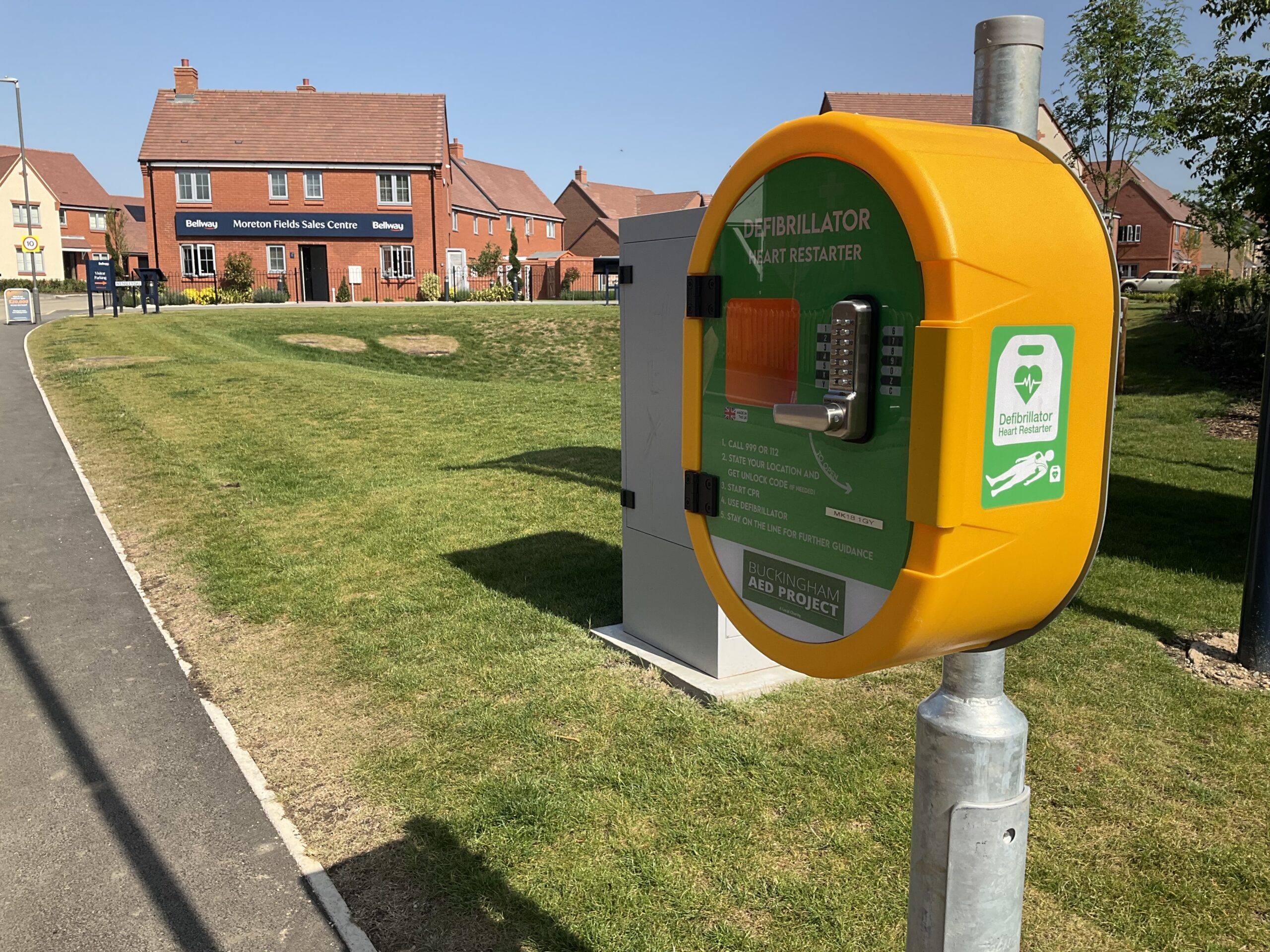
Every publicly accessible defibrillator can only help save a life if it is working properly and registered on The Circuit, the national defibrillator network used by all UK ambulance services. An unchecked device with expired pads or a depleted battery could mean a lifesaving opportunity is lost during the first critical minutes of a cardiac arrest.
David Hamer, Divisional Community Engagement Manager – Thames Valley, at SCAS, said:
“This surge of defibrillator deployment during the last heatwave shows how vital the work of defibrillator guardians is, so please, please help us and check your defib today if you’ve not done it for a while. If any guardians of defibrillators are unsure what to do, or how to replace old pads or batteries, then get in touch with our team via defib@scas.nhs.uk and we’ll point you in the right direction.”
Jack Ansell, Divisional Community Engagement Manager – Hampshire, at SCAS, added:
“Please also check that your defibrillator is registered on The Circuit – it only takes five minutes and if it’s not registered, our emergency call takers won’t know it’s there if a cardiac emergency happens nearby. Once registered, keep checking it regularly so that it is ready to use if needed.”
When someone suffers a cardiac arrest, early CPR and rapid defibrillation provide the best chance of survival. Members of the public do not need prior training to use a defibrillator. Modern automated external defibrillators (AEDs) provide clear, spoken instructions and will only deliver a shock if it is clinically required. If a registered defibrillator is nearby (usually within 400 metres), the 999 emergency call taker will ensure CPR is being carried out on the patient and can direct another person to the defibrillator’s location, providing an access code if it is required.
Ends
Notes to editors:
- The 118% increase in deployments occurred between 19-28 June, compared to the previous 10 days from 9-18 June (figures supplied by The Circuit/British Heart Foundation)
- The UK Health Security Agency announced the red heat health alert on 22 June with it coming into force at 01:00 on 24 June and expiring at 23:00 on Friday, 26 June
- The Circuit is the national defibrillator network and guardians can check their defibs are registered with The Circuit by visiting thecircuit.uk