999 operating and dispatch model
The information below gives an overview of how a modern ambulance service operates.
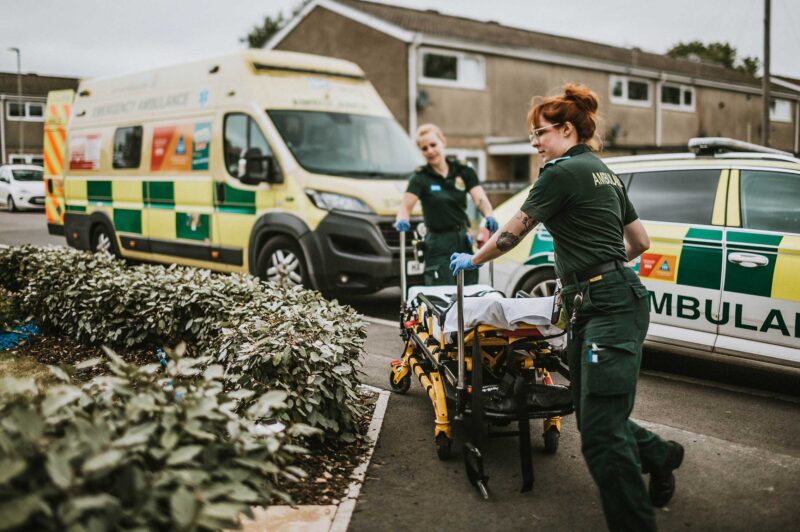
The vast majority of our crews are out on the road throughout their 10-12 hour shift – moving from one incident to the next rather than returning to a local ambulance station after each call.
At any given time, we have up to 200 ambulances on shift across the four counties we cover. Solo response cars with specialist practitioners or paramedics also respond to patients, providing an immediate response to life threatening calls or attending calls where patients can be treated at home.
We also have a dedicated Hazardous Area Response Team and Specialist Operations Response Team who respond to specific types of incidents.
The exact numbers of resources available is planned according to expected demand, which we continually forecast and adapt for different times of day, different seasons, weather conditions etc.
Our geographical operating model
From 1 April 2026, our footprint across the four counties of Berkshire, Buckinghamshire, Hampshire and Oxfordshire, is divided into six sectors. These align to the localities known as “Place” within Integrated Care Systems.
Each sector has a number of ambulance stations / resource centres, however ambulance crews are not ringfenced to respond within the area around a specific station. The sectors are used as the general boundaries which we dispatch crews within, but clinical priority of incidents determines where crews are sent, and they may move into other sectors during their shift.
A typical shift for an ambulance crew
A crew’s base station is predominately where they start and end their shift. Once a crew is on shift they are normally dispatched to their first patient within minutes. When a call ends, they are dispatched to their next patient based on their location at that time.
A call may end with:
- Providing care on scene and not needing to take a patient to hospital.
- Taking the patient to the nearest A&E or other local service.
- Taking a patient with more serious injuries/illnesses to a specialist regional unit.
If there are periods of lower demand a crew may be directed to a stand-by point rather than immediately responding to their next patient. This would be a decision made in our Integrated Contact Centre based on the distribution of all our resources at the time.
Daily demand now means that crews rarely return to their base station during a shift. They may return for a meal break, but may also be asked to take their meal break at another station if it is closer when their break is due. This is the same across all our stations regardless of size or whether in rural or urban areas.
Ambulances parked at stations
Ambulances visible outside a station may give the impression that a crew is inside waiting for a call. As explained above, this is unlikely to be the case. Reasons for ambulances being parked at stations include:
- A vehicle may have been delivered to the station ahead of a crew’s shift start time.
- A crew may be on a formal break and not logged in for responding.
- A vehicle may have finished a shift and be waiting to be ‘made-ready’ on site, or to be taken to another site.
- A vehicle may have a fault or be due for maintenance and waiting to be taken to a workshop.