South Central Ambulance Service NHS Foundation Trust (SCAS) is urging people not to dismiss the signs of stroke after a Portsmouth teenager suffered a life-changing stroke at just 15-years-old.
Many people wrongly believe that stroke only affects older adults, but strokes can occur at any age – including in children and teenagers. Early recognition and urgent treatment can make a significant difference to recovery.
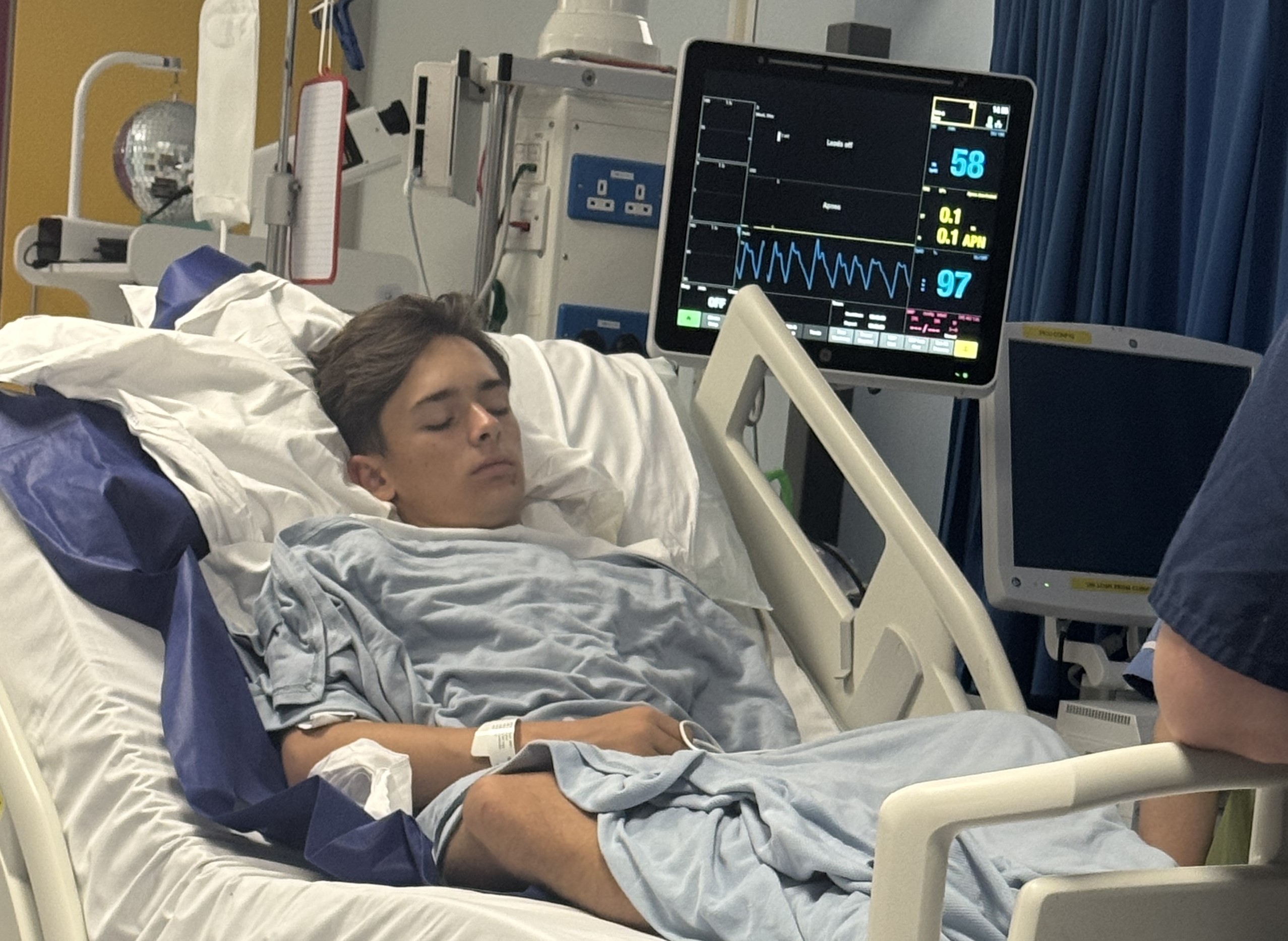
Finley Butcher was looking forward to playing his first match for East Lodge Football Club in July last year when his Mum, Kelly, found him collapsed behind his bedroom door, unable to move or speak.
Kelly immediately called 999 and the first person to arrive at the family home was a volunteer who responded on the GoodSAM app. They were quickly followed by two ambulance crews and a paramedic team leader in a rapid response vehicle.
The team recognised that Finley’s symptoms could indicate he was having a stroke and he was taken under blue lights to the Queen Alexandra Hospital in Portsmouth for emergency treatment.
Medics at the QA consulted with colleagues from University Hospital Southampton’s hyper acute stroke unit. Having reviewed Finley’s CT scan, an urgent thrombolysis – clot busting drugs to restore blood flow to the brain – was recommended and carried out. Immediately afterwards, Finley was blue-lighted to the paediatric intensive care unit in Southampton.
In total, Finley spent seven and a half weeks in hospital and although he has made remarkable progress, he continues to live with the effects of his stroke almost a year later.
Kelly said: “One of the things we’ve heard time and time again is, ‘he’s too young to have a stroke’. The reality is that stroke can happen to anyone. We never imagined it could happen to our healthy, sporty 15-year-old son.
“If sharing Finley’s story helps even one person recognise the signs of stroke and seek help quickly, then it’s worth it.”
Throughout June, SCAS has been running a stroke awareness campaign to remind the public that strokes do not always present in the dramatic way people might expect. While some people experience sudden facial drooping, arm weakness or speech difficulties, others may have milder symptoms that can be easy to dismiss.
Duncan Robertson, chief paramedic at South Central Ambulance Service, said: “Stroke is a medical emergency and every minute matters. Many people associate stroke with older age, but strokes can affect people of all ages, including children and young adults.
“One of the biggest dangers is when symptoms appear mild or seem to improve. People can be tempted to wait and see if things get better, but a stroke or transient ischaemic attack (TIA), often referred to as a mini stroke, can be an early warning sign and should never be ignored.
“If you notice someone suddenly developing facial weakness, arm weakness or speech problems, call 999 immediately. Even if you’re not completely sure if it’s a stroke, it’s better to seek urgent medical help.”
The public is encouraged to remember the FAST test:
Face – Has their face fallen to one side? Can they smile?
Arms – Can they raise both arms and keep them there?
Speech – Is their speech slurred or confused?
Time – If you notice any of these signs, call 999 immediately
For Finley’s family, quick recognition and treatment proved crucial.
Kelly said: “The stroke came completely out of nowhere. Finley was a healthy teenager who loved football, spending time with friends and being active outdoors. You never think something like this will happen to your child.
“He’s worked incredibly hard during his recovery and we’re so proud of him. But stroke has changed all our lives. We want people to understand that stroke isn’t just something that happens to older people.”
The family were supported by the Stroke Association’s childhood stroke support service, guiding them through the complex medical information related to Finley’s stroke and treatment, as well as signposting them to a range of additional help, information and advice, and putting the family in touch with others who have gone through the same experience.
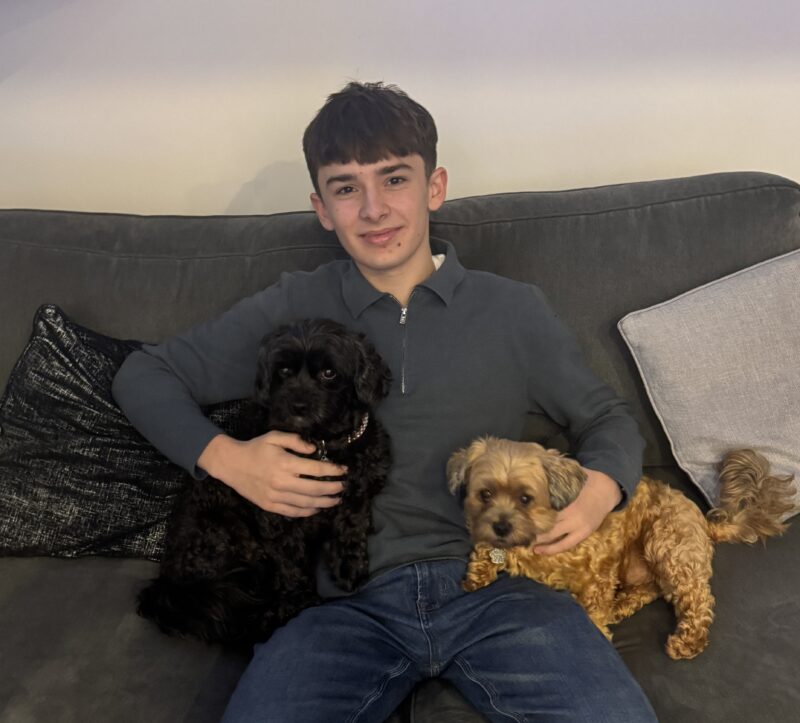
Although Finley’s physical strength has largely returned, he continues to experience difficulties with speech, memory and fatigue as he works towards rebuilding his independence and completing his studies.
His family are now helping to raise awareness of stroke in younger people and the importance of recognising symptoms early.
For more information about stroke symptoms and recovery support, visit the Stroke Association website.
Ends
Notes to editors
- Around 400 children have a stroke every year in the UK.
- The Stroke Association is the leading charity in the UK providing lifelong tailored support and information for all stroke survivors and their families. The charity also funds critical scientific research and campaigns to ensure people affected by stroke receive the very best care.
- Kelly and Finley, whilst happy to share their story to support SCAS’ stroke awareness campaign have declined any further media interviews